

Pressure-Treated Pine
The most common wood fence. Affordable, but it grays, cracks, and warps fast in full sun.
- Our prep
- Clean, brighten, and let new wood dry before finishing
- Finish
- Penetrating semi-transparent or solid stain

 Fence Staining, Painting & Restoration · Palm Beach County
Florida sun, sprinklers, and salt air wear fences down faster than almost anything else outside. Whether yours is wood, metal, or PVC, we bring it back to a beautiful, restored finish.

Gray, weathered boards made warm again, painted fences in fresh color, and metal and PVC brought back to a clean, even finish.
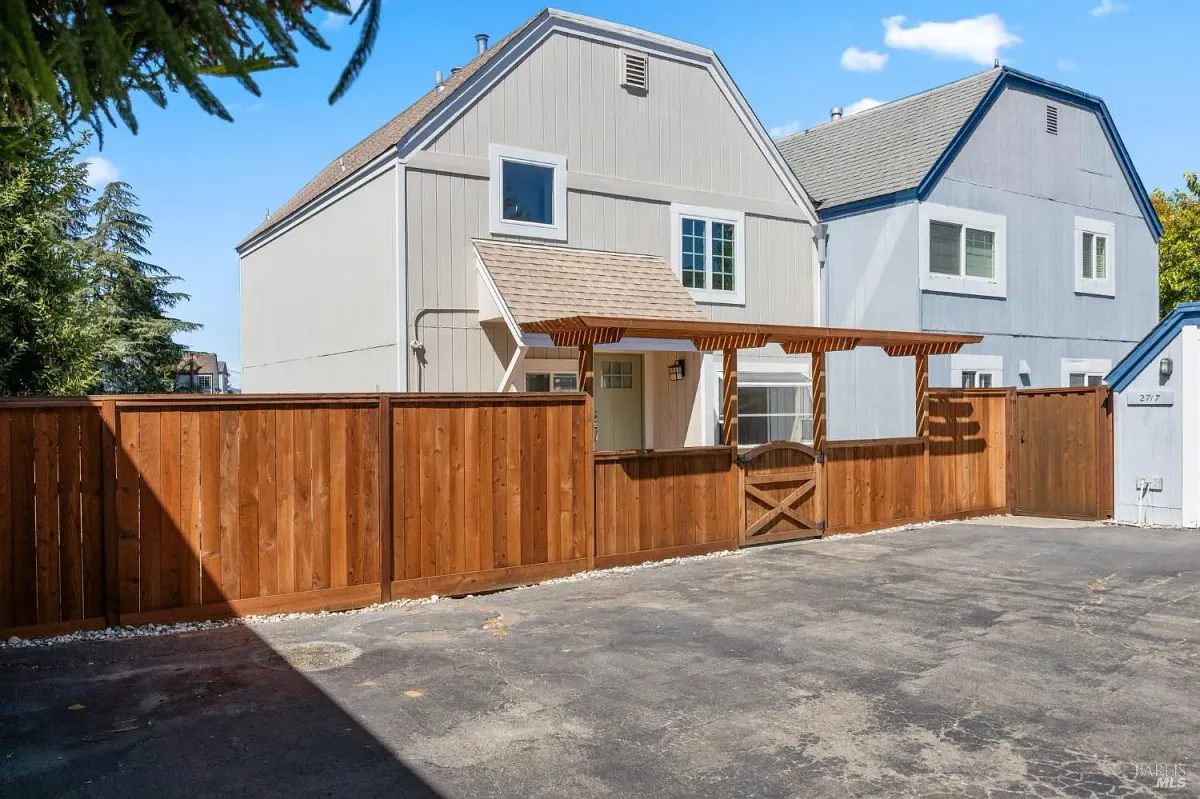
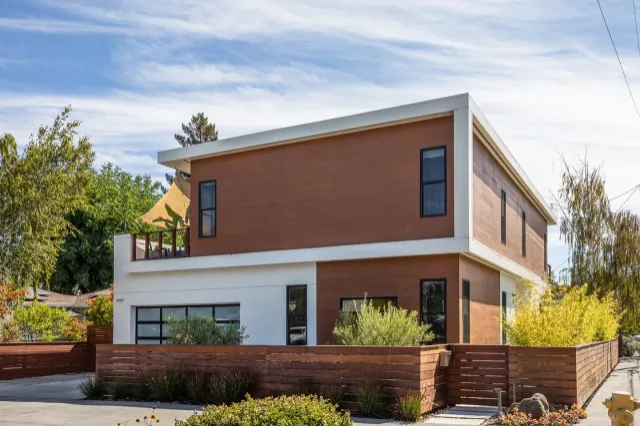
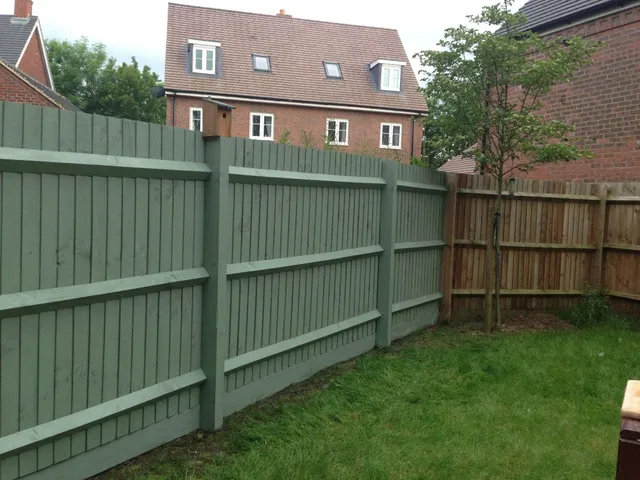
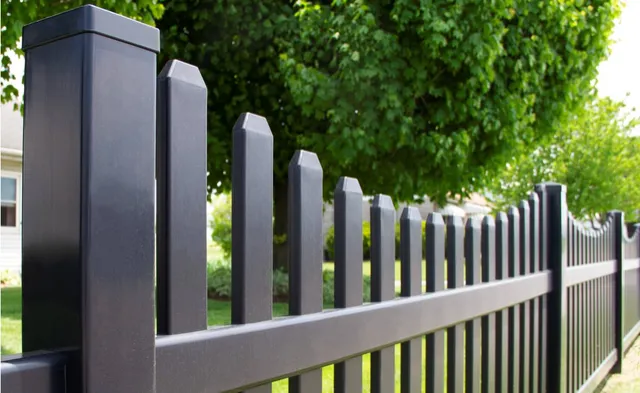
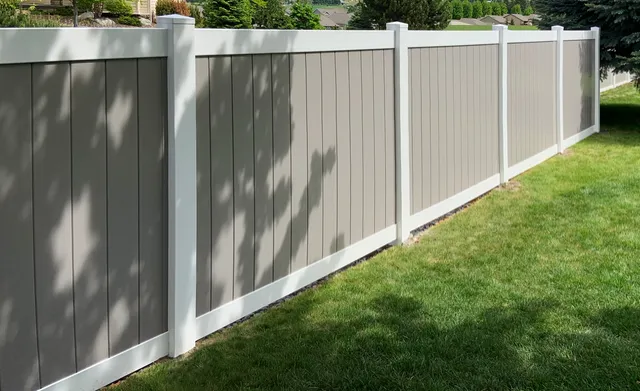
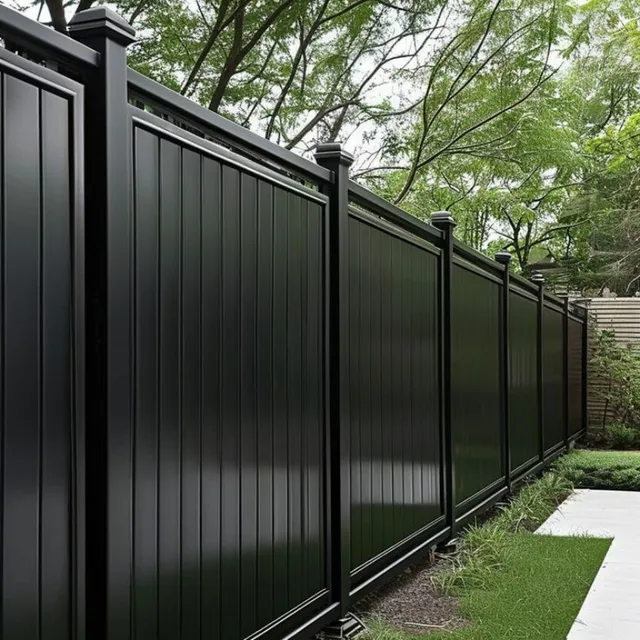
Wood, metal, or PVC, every fence gets the same care.
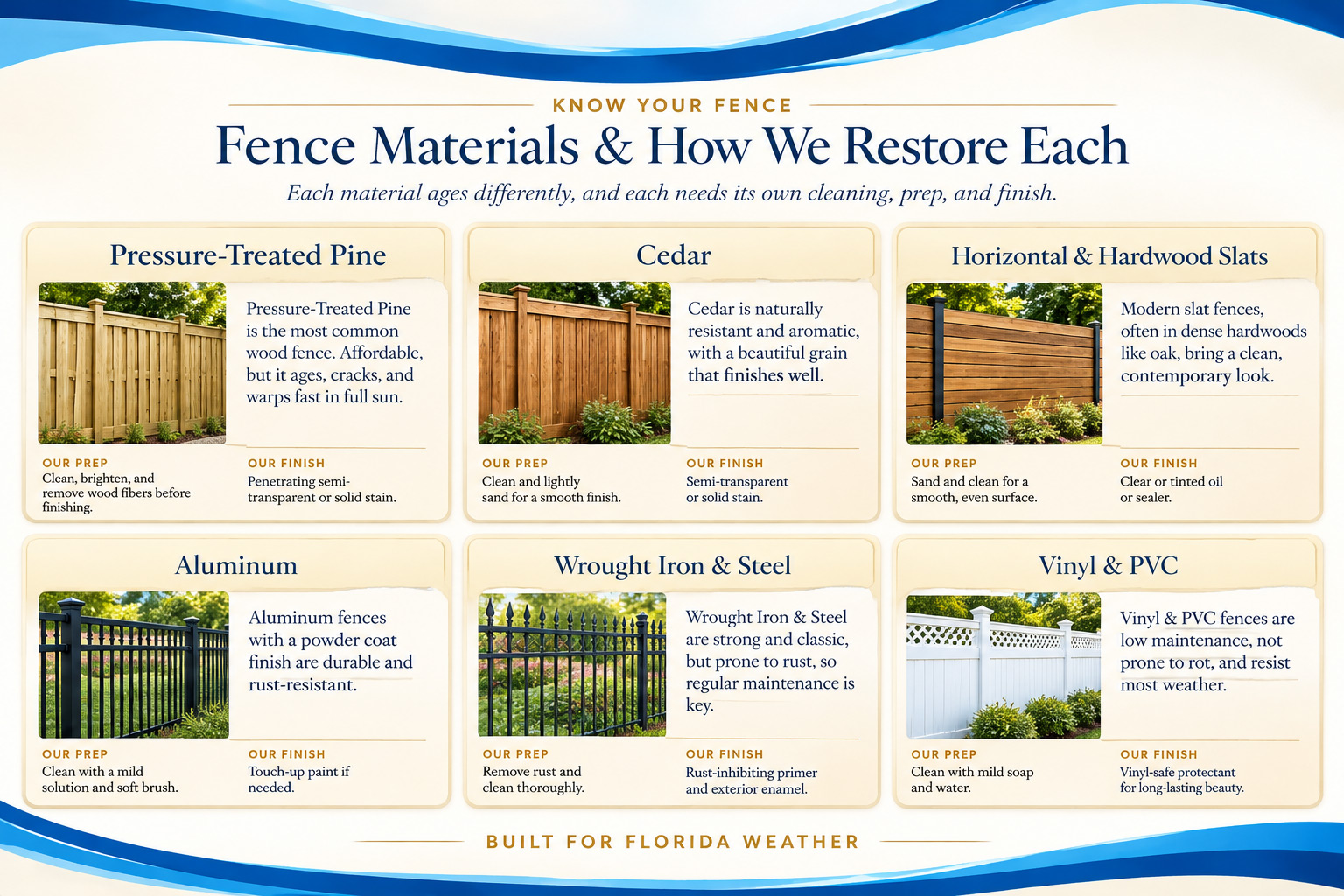
More detail on how each material ages and what we use on it.
The most common wood fence. Affordable, but it grays, cracks, and warps fast in full sun.
Naturally rot-resistant and aromatic, with tannins that can bleed through light finishes.
Modern slat fences, often in dense hardwoods that resist ordinary stains.
Pool and decorative fences with a powder coat that chalks and fades over time.
Strong and classic, but rust spreads quickly near the coast and under sprinklers.
Low maintenance, not no maintenance. It collects mildew and fades, and turns chalky in the sun.
A fence stands in full sun and rain on both sides, year-round, with no roof to protect it.
Sunlight breaks down wood fibers and finishes, turning boards silver and brittle.
Daily spray keeps the bottom of the fence wet and can leave orange iron stains from well water.
The shaded side grows black and green streaks, especially on PVC and lower boards.
Posts rot where they meet the soil, so fences lean even when the boards look fine.
Salt speeds up rust on iron, steel, screws, and gate hardware.
String trimmers and mowers chip the bottom edge, opening it to water.
Both protect wood. The difference is how they look and how they age.
A light tint that shows all the wood. The shortest-lived in full sun.
Rich color with the grain still showing, and better UV protection.
Opaque color like paint, but with a flatter look that wears more gently.
A fence is more than its face. These are the pieces that decide how long it lasts.
We identify the material and check boards, posts, rust, and gates.
Plants, pavers, walls, and cars covered from overspray.
Gray fibers, mildew, and old finish washed away; wood brightened.
Loose boards refastened, rust treated, rough spots sanded.
Stain, paint, or metal coating applied to every face and edge.
We walk the fence line with you and touch up anything missed.
Stain soaks in and wears gently, so it’s easier to refresh. Paint gives bold, solid color but needs thorough prep to avoid peeling.
New treated wood is often wet and must dry first. If water beads on the boards, it isn’t ready yet.
Yes, with vinyl-safe coatings. Very dark colors can overheat vinyl in full sun, so we help you choose a safe shade.
Yes. We remove loose rust, prime bare metal with a rust-inhibiting primer, and finish with exterior metal enamel.
We can. The neighbor’s side may need their permission, and some HOAs set colors for the outside face.
It depends on sun, sprinklers, and the stain used. We’ll recommend a schedule for your fence at the walkthrough.
We restore wood, metal, and PVC fences across Palm Beach County. We’ll walk the fence line with you and put the plan in writing.
Or call (561) 677-8919
We stain, paint and restore fences in every city, town and village in Palm Beach County, and we stain decks too.
Planning a project? See painting pricing, learn how to avoid painting problems, or read the Placidity blog.

Painting and Renovations for Palm Beach County, under one calm process.
















(561) 677-8919
222 Lakeview Ave Suite 800, West Palm Beach, FL 33401